
Introduction: Are Acrylic Keychains Still Relevant?
The short answer is yes — but not for the reasons most sourcing guides suggest. Acrylic keychains are not simply “cheap plastic accessories.” They sit at an unusual intersection: fast enough to produce for limited drops, durable enough to survive daily bag wear, and expressive enough to function as personal identifiers in the way enamel pins and stickers once did. For US gift shops, museum stores, artist brands, and promotional buyers, the question is no longer whether acrylic belongs in the assortment. It is which acrylic designs, finishes, and order structures actually match where demand is moving.
This guide combines three evidence layers: Google Trends search-interest data for the US market, observable marketplace patterns on Etsy and Amazon, and social-platform signals from Pinterest and TikTok. The analysis is deliberately cautious. Search interest is not sales volume. Marketplace prices are retail observations, not factory quotations. Reviews and rankings are directional signals, not audited revenue figures. What this guide does offer is a structured read of where US buyer attention is concentrating — and how that attention translates into manufacturing decisions around design, material, and order scale.For buyers sourcing from overseas or domestic suppliers, the manufacturing layer matters as much as the trend layer. ZaoWu’s first-hand production experience is woven through Sections 8–11 to ground the market observations in practical constraints: minimum order quantities, tooling-free acrylic fabrication, prototype approval, and the difference between a retail listing and a factory cost sheet.
Click for more:ZaoWu Acrylic Keychains
Looking for current factory capabilities? → [Get a Quote]
1. What Google Trends Data Suggests About US Acrylic Keychain Interest
1.1 Core Term: “Acrylic Keychain”
The Google Trends chart for “Acrylic Keychain” in the United States over the past five years shows a long baseline of relatively stable search interest punctuated by a sharp, time-bound spike in April 2026. The “+140% vs. preceding 5 years” annotation indicates that the search term’s recent level is substantially above its earlier baseline, but the shape of the curve matters more than the percentage. The spike is not a gradual climb; it is a concentrated burst followed by a decline toward a level that remains, on visual inspection, somewhat above the pre-spike baseline. This pattern is consistent with a trend-driven demand event — a design style, platform moment, or seasonal push — rather than a permanent step-change in category interest.
For buyers, the implication is practical: acrylic keychains are not a declining category, but demand is event-sensitive. Sourcing plans should account for the possibility of short-window demand bursts rather than assuming a smooth annual growth curve.
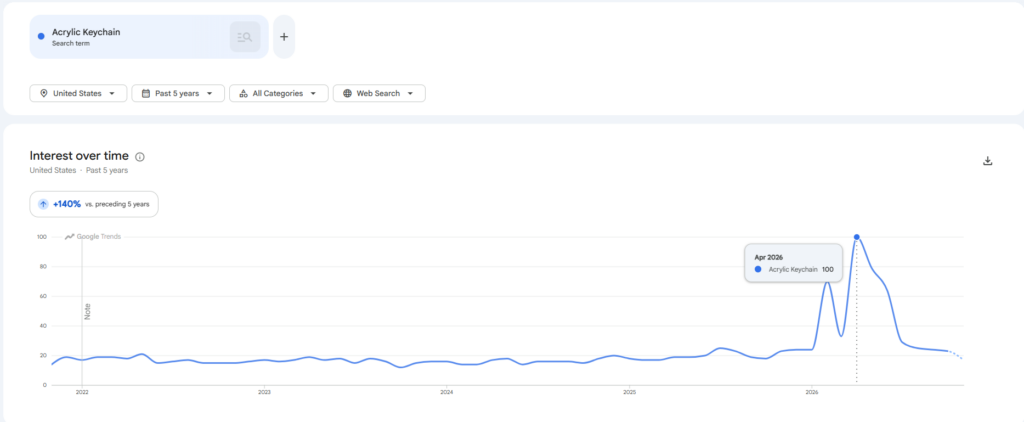
Google Trends search interest for “Acrylic Keychain” in the United States, past five years, Web Search, All Categories. The April 2026 peak and subsequent decline illustrate the event-driven nature of category attention; the chart shows relative search interest, not sales volume. Source: Google Trends.
1.2 Related Term: “Acrylic Keychains”
The plural form “Acrylic Keychains” shows a “+80% vs. preceding 5 years” annotation and a similar April 2026 spike, though the baseline before the spike appears comparatively flatter than the singular term in the visible chart. The plural is the more natural query for buyers searching for bulk or assorted products, while the singular leans toward gift-seeker and personal-use behavior. Neither pattern supports a claim of sustained, accelerating category growth. What it supports is a category that retains a steady floor of interest and periodically receives a demand shock.
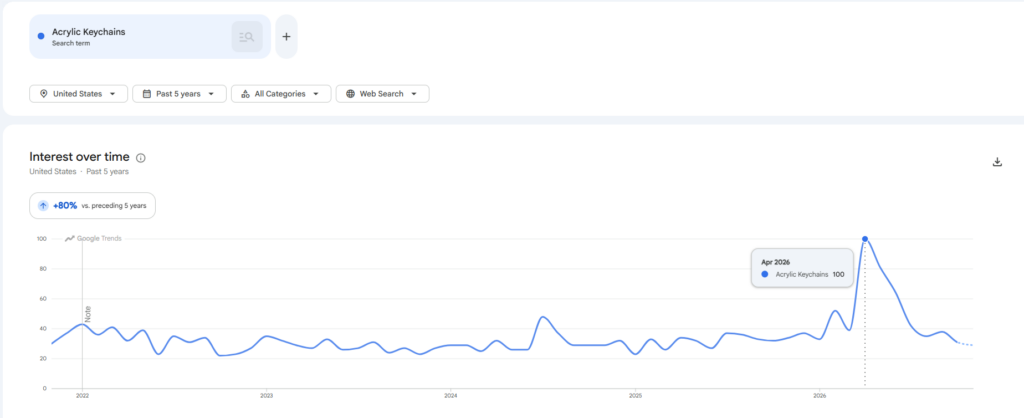
Google Trends search interest for “Acrylic Keychains” (plural), United States. The plural query pattern is more likely to reflect buyer-intent searches for assortments or bulk quantities. Source: Google Trends.
1.3 High-Intent Term: “Custom Acrylic Keychain”
“Custom Acrylic Keychain” carries the highest relative percentage annotation in the set (+6,000% vs. preceding 5 years), but this figure must be interpreted with care. The baseline before 2024–2025 is extremely low — visually near the bottom of the index — meaning even a moderate absolute increase produces a very large percentage gain. The practical takeaway is not that custom demand has grown 60-fold in absolute terms. It is that custom-design intent has moved from a negligible search behavior to a visible one. This aligns with the broader marketplace observation that personalization and small-batch customization are no longer niche add-ons but central purchase motivations.
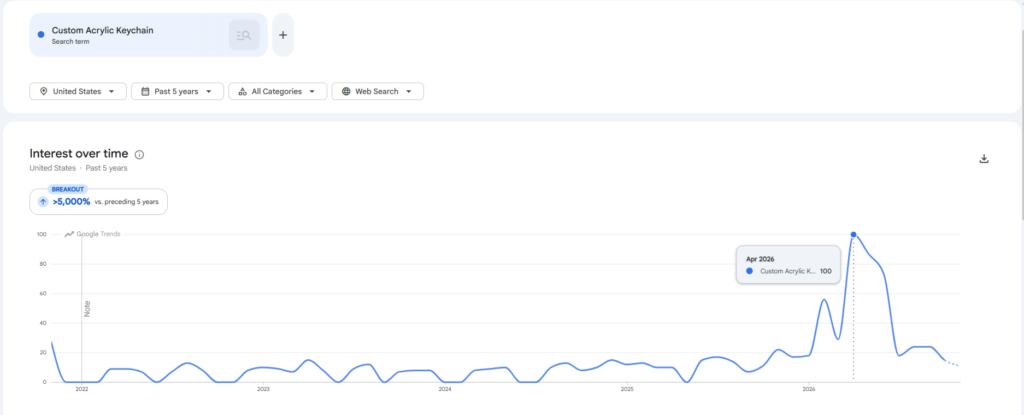
Google Trends search interest for “Custom Acrylic Keychain,” United States. The large percentage annotation reflects a low prior baseline; the chart indicates rising visible intent for customization, not an absolute demand multiple. Source: Google Trends.
Click for more:Zaowu Customized Service
2. The Expansion Toward “Charms” and “Bag Charms”
2.1 “Acrylic Charm” as an Adjacent Search Behavior
The “Acrylic Charm” query shows a “+200% vs. preceding 5 years” annotation and a sharp April 2026 peak that mirrors the core keychain terms. The important observation is not the percentage itself but the semantic overlap: US buyers increasingly use “charm” as a product descriptor alongside “keychain.” For manufacturers and brands, this is a merchandising signal. A product marketed only as a “keychain” may miss buyers who are searching for charms to attach to bags, lanyards, or zipper pulls. The manufacturing output can be identical — a 3mm–5mm cast acrylic piece with UV printing and hardware — but the positioning, hardware choice, and packaging may differ.
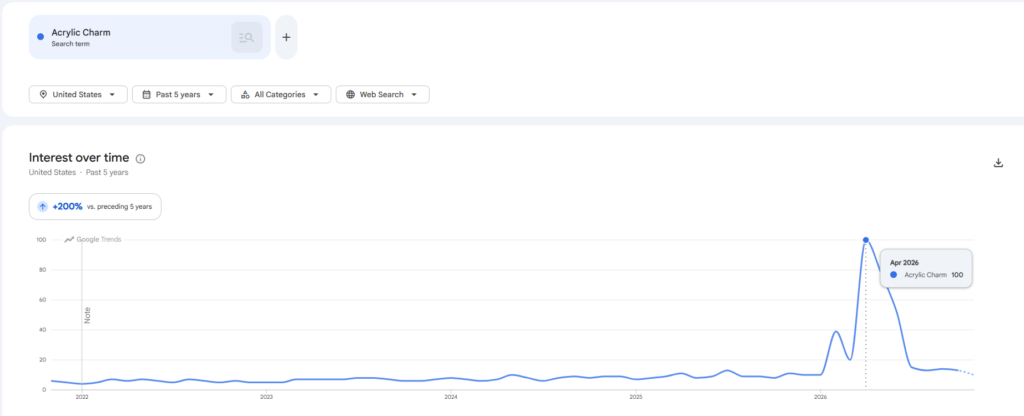
Google Trends search interest for “Acrylic Charm,” United States, past five years. The rise in charm-language searches alongside keychain searches suggests buyers are categorizing the same physical product under accessory-led vocabulary. Source: Google Trends.
2.2 “Bag Charm” and the TikTok-Led Accessory Shift
“Bag Charm” shows a “+750% vs. preceding 5 years” annotation and a visually dramatic post-2023 spike. This is the clearest social-commerce signal in the search data. TikTok and Pinterest have accelerated a behavior in which bags are decorated with clusters of charms — plush, beaded, metallic, and acrylic mixed together — and acrylic charms occupy a specific niche within that cluster: lightweight, full-color, and customizable at low tooling cost. The trend is not exclusively an acrylic story. It is an accessory-story in which acrylic participates because it can reproduce character art, logos, and photographic imagery with vibrant color and no mold fee.-37-47
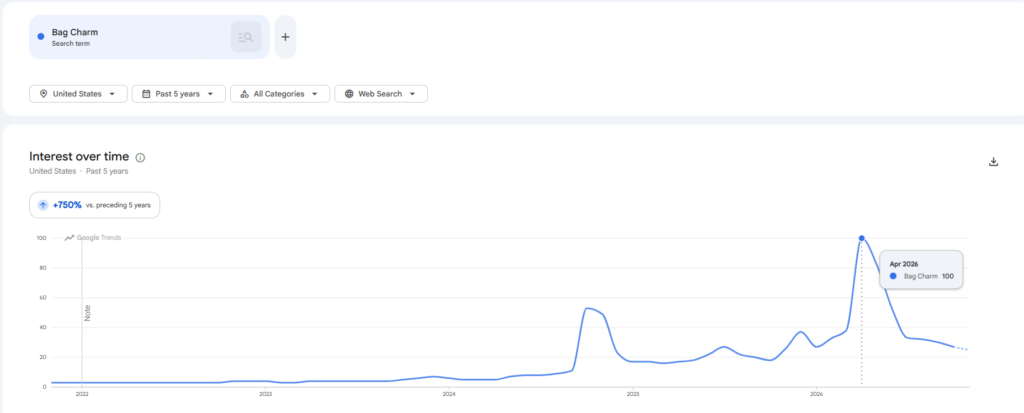
Google Trends search interest for “Bag Charm,” United States. The post-2023 acceleration aligns with the TikTok-driven bag-decoration behavior documented in social-platform observations; search interest should not be read as direct sales volume. Source: Google Trends.
Click for more:ZaoWu Acrylic Charms
3. US Regional Search Interest: Relative, Not Absolute
Google Trends’ “Interest by region” view for acrylic keychain–related terms consistently places states such as Wyoming, Hawaii, California, Kansas, and Nevada near the top of the relative-interest ranking. This ranking is normalized to the highest-search state and does not represent absolute search volume. A small-population state with a concentrated interest niche can rank above a large state with a broad but proportionally lower search rate. For US buyers, the regional data is most useful for assortment planning rather than demand sizing: gift shops and souvenir retailers in high-relative-interest states may benefit from acrylic designs tied to local identity, tourism, and event-driven merchandise, while brands selling nationally should treat the map as a signal of where relative attention is elevated, not where the largest unit volumes necessarily sit.
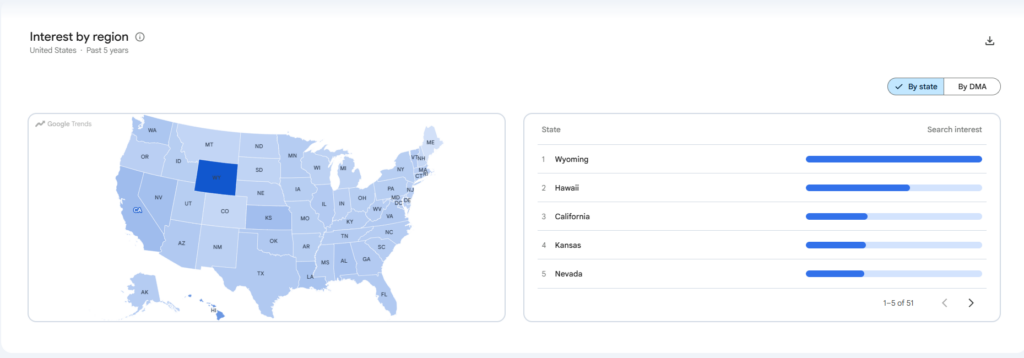
Relative Google Trends search interest for acrylic keychains by US state. Rankings are normalized to the top state and do not indicate absolute search volume; interpretation should focus on relative regional attention. Source: Google Trends.
Click for more:Zaowu Customized Service
4. Etsy: Personalization, Price Floors, and Design Signals
Etsy is the clearest observable marketplace for acrylic keychain design diversity and price positioning in the US. Search results for “acrylic keychain” span visible retail prices from roughly $6 to $25+ in the captured screenshots, with a concentration of personalized photo and name-based listings in the lower-middle band and character-led or artist-designed charms at higher visible price points. This is a retail-observation range, not a factory cost range; Etsy prices include seller margin, platform fees, packaging, and often domestic shipping.-10
4.1 Search Suggestions Reveal Buyer Vocabulary
Etsy’s search-suggestion dropdown for “acrylic keychain” surfaces terms such as “acrylic keychain custom,” “acrylic keychain anime,” “acrylic keychain personalized,” “acrylic keychain charm,” and “acrylic keychain holder.” This suggestion list is a direct read of buyer query language. “Custom” and “personalized” appear repeatedly, supporting the Google Trends observation that customization intent is now a mainstream search behavior rather than a niche request. “Anime” appears as a distinct suggestion, reflecting the character-merch segment that has historically been a strong acrylic use case.-10
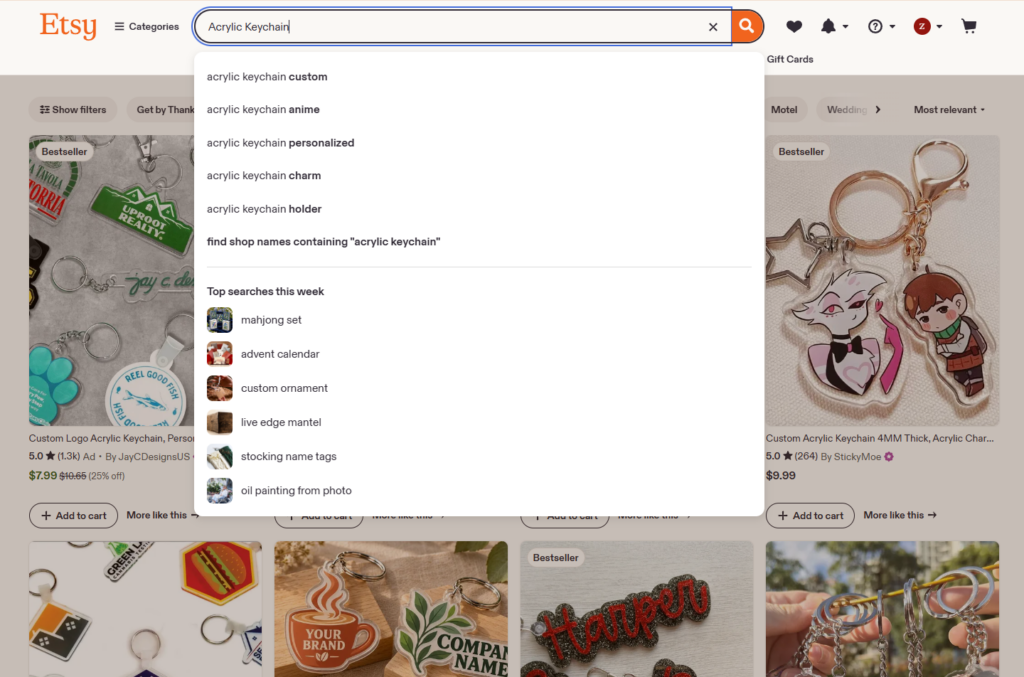
Etsy search suggestions for “acrylic keychain” as observed in the captured search session. Suggestion vocabulary indicates that customization, personalization, charm language, and anime/character themes are active buyer query categories. Source: Etsy search suggestions, captured by author.
4.2 Price and Style Observation on Etsy
Visible Etsy listings for acrylic keychains cluster into several design archetypes: personalized photo inserts, name-and-date commemoratives, character/fandom charms with epoxy or glitter finishes, and multi-piece charm clusters priced as sets. The median price observed in broader Etsy keychain analyses has been reported at approximately $10.65, with most listings falling between $5 and $20. The $5–$10 band is dominated by simpler printed acrylic formats, while $12–$20 listings more often include personalization, double-sided printing, special-effect finishes, or bundled presentation. For buyers, Etsy is less a pricing benchmark than a design demand map: it shows which visual formats sellers are willing to list and which personalization layers buyers appear willing to pay for.-9-10
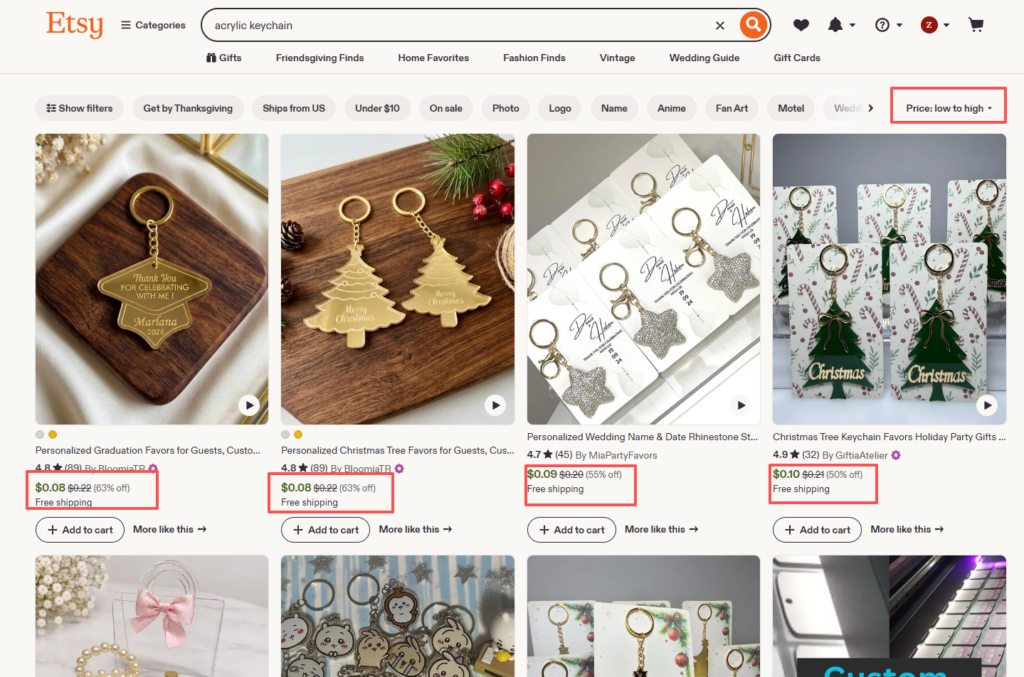
Visible Etsy retail prices for acrylic keychain search results. Prices are retail marketplace observations, not factory quotations; the range reflects seller-set pricing inclusive of margin, fees, and fulfillment. Source: Etsy search results, captured by author.
Click for more:ZaoWu Low MOQ Keychains
5. Amazon: Mass-Market Pricing and Functional Segmentation
Amazon’s acrylic keychain landscape differs from Etsy in two important ways. First, the visible price floor is lower and more compressed: many listings sit between $8 and $16, with multi-packs and blank-keychain kits pulling the per-unit effective price down further. Second, Amazon buyers are more likely to encounter functional segmentation — listings explicitly organized around attributes such as “Key Pouch Function,” “Locking Function,” “Multi Clip,” “Rotatable,” “Water Resistant,” and “Rust Proof.” This functional language reflects a mass-market search environment where buyers may be solving a utility problem as much as a decoration problem.-17
The design implication for US buyers sourcing acrylic is that the category is not monolithic. A gift-shop buyer may prioritize visual design and packaging; a promotional-products buyer may prioritize hardware function and attachment method; a brand selling through Amazon may need to address both. Acrylic’s manufacturing flexibility — no mold fee, full-color UV printing, custom shape cutting — allows a single production platform to serve these different end-uses, provided the hardware and packaging specifications are aligned.-29
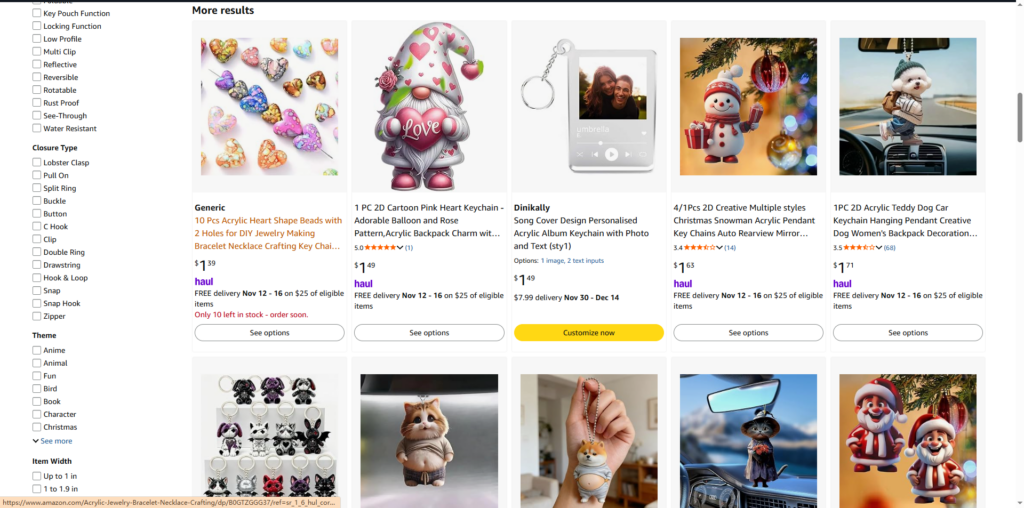
Visible Amazon retail pricing and functional attribute filters for acrylic keychain products. Amazon price observations reflect mass-market retail listings and multi-pack configurations; they are not equivalent to factory unit costs. Source: Amazon search results, captured by author.
Click for more:Zaowu Customized Service
6. Visual and Social Trends: Pinterest and TikTok
Pinterest and TikTok provide a different evidence type: they show how acrylic charms and keychains are styled, photographed, and integrated into accessory routines, rather than how they are priced or searched. Pinterest boards for “acrylic keychain” and “bag charms” emphasize cluster styling, color-coordinated sets, and mixed-material compositions in which acrylic sits alongside plush, beads, and metal hardware. TikTok content under hashtags such as #KeychainTrend and #BagCharms documents the same behavior through short-form video: bags are decorated, rearranged, and personalized as an ongoing visual project rather than a one-time purchase.-37-39
For manufacturers, this social evidence translates into concrete design directions: acrylic pieces that work as components in a larger charm cluster, rather than only as standalone products. That may mean smaller charm sizes, consistent hardware compatibility (lobster clasps, swivel hooks, split rings), and color palettes designed to coordinate across a set. It also supports the “bag charm” vocabulary expansion observed in Google Trends.
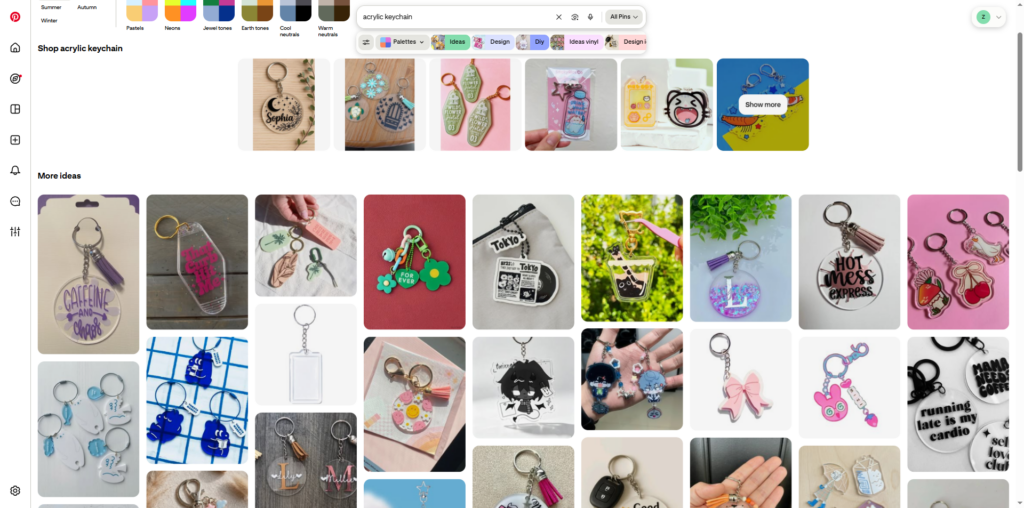
Pinterest visual results for acrylic keychain and bag charm searches. Social-platform styling emphasizes cluster presentation, mixed materials, and accessory-led use cases. This is trend evidence, not sales data. Source: Pinterest, captured by author.
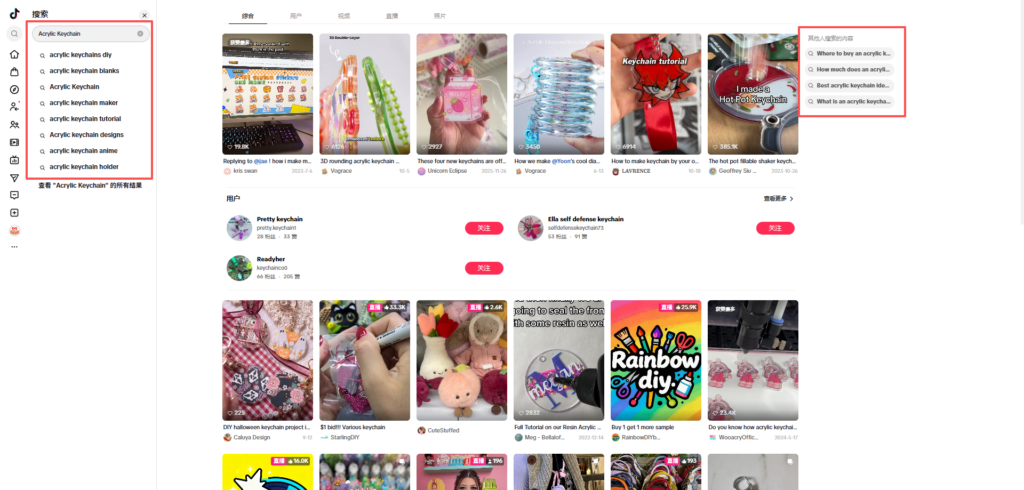
TikTok search and content signals for “acrylic keychain.” Short-form video trends emphasize bag decoration, charm arrangement, and personalization behaviors. Source: TikTok, captured by author.
Click for more:ZaoWu Multi-Material Keychains
7. What US Buyers Should Take From the Trend Layer
The combined search and marketplace evidence does not support a claim that the US acrylic keychain market is “booming” in a uniform, sustained way. What it does support is a more specific reading:
Demand is event-sensitive and socially mediated. The April 2026 search spikes and the TikTok/Pinterest bag-charm acceleration indicate that category attention can move quickly, often around visual trends rather than seasonal calendars.
Customization has moved into mainstream query language. “Custom” and “personalized” are not niche modifiers on Etsy; they appear in core search suggestions and align with the rising relative visibility of “Custom Acrylic Keychain.
The product vocabulary is widening. “Charm” and “bag charm” are expanding the addressable use case beyond keys, with implications for hardware, sizing, and packaging.
Marketplace price observations are not factory cost benchmarks. Etsy and Amazon prices reflect retail margin, fees, fulfillment, and positioning; they should be used to understand buyer expectations, not to estimate supplier pricing.
With this trend baseline established, the next sections shift from market observation to manufacturing reality: design selection, material and finish choices, prototype workflow, cost structure, supplier evaluation, and the capabilities that distinguish a single-material acrylic supplier from a manufacturer that can support a broader accessory program.
8. From Trend to Production: Designing for the US Market
8.1 Choose the Right Design for Your Target Market
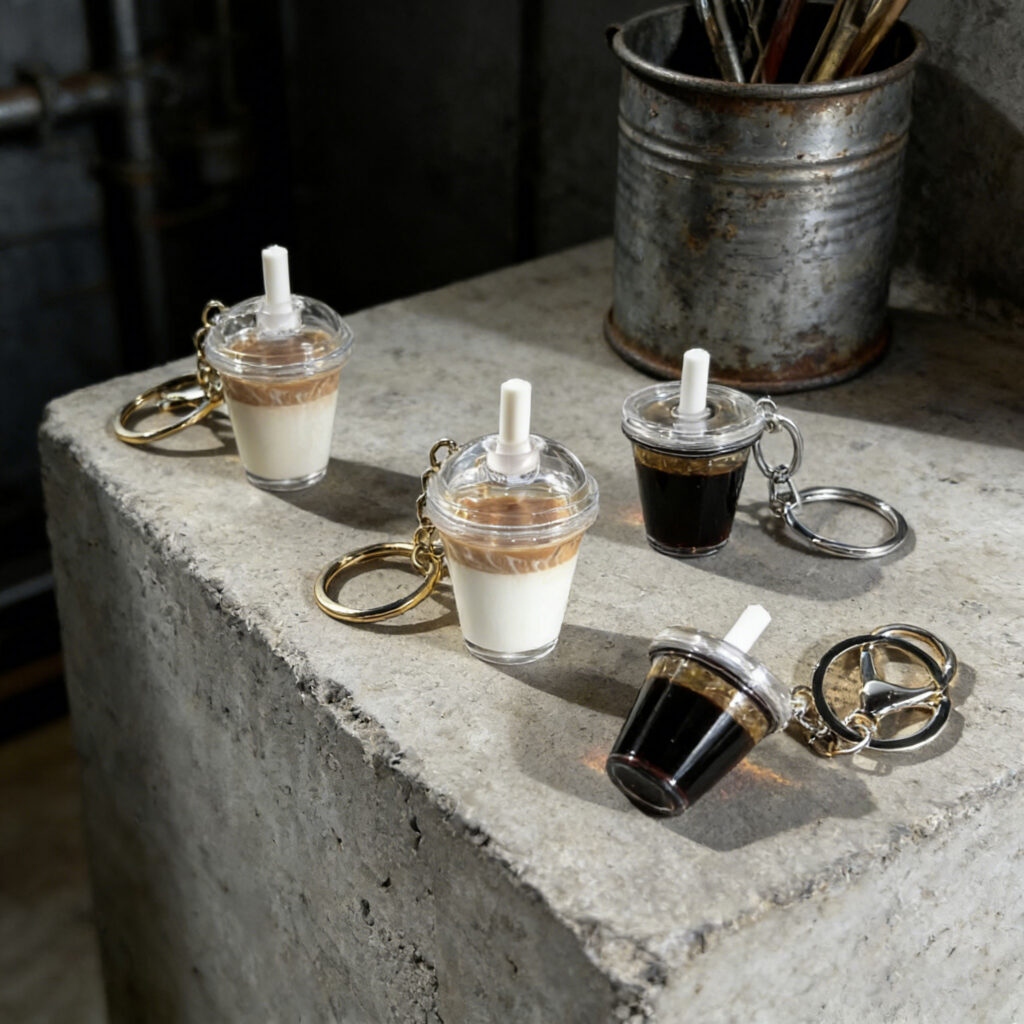
Acrylic keychains are not a single product category in the US market. The same 3mm–5mm cast acrylic substrate can become a museum souvenir, an artist’s character charm, a promotional giveaway, a blind-box collectible, or a bag-accessory component — but the design logic, hardware, and packaging differ by channel.
Gift shops and souvenir stores benefit from location-linked imagery, clean typography, and packaging that reads as a finished retail item. Acrylic’s full-color UV printing handles photographic and illustrated souvenir artwork without tooling cost, making short runs of location-specific designs economically viable.-29
Artists and creators tend to prioritize character fidelity, color vibrancy, and special-effect finishes such as epoxy dome, glitter, or holographic acrylic. Double-sided printing protects artwork and allows the charm to be viewed from either orientation, which is particularly relevant for fandom and anime-adjacent designs.-47
Brands and promotional buyers often need hardware that matches the use case — swivel clasps, lobster claws, or ball chains — and may value functional attributes such as rust resistance or secure attachment over decorative effect.
Blind box and gachapon businesses require consistent shape execution across a series, low per-unit cost at scale, and the ability to produce multiple designs within a single order without separate tooling charges. This is where acrylic’s no-mold production model becomes a structural advantage: design changes do not trigger a new die or mold fee, only new print artwork and cutting files.-47
Click for more:ZaoWu Custom Souvenir Keychains
8.2 Choose Materials and Finishes
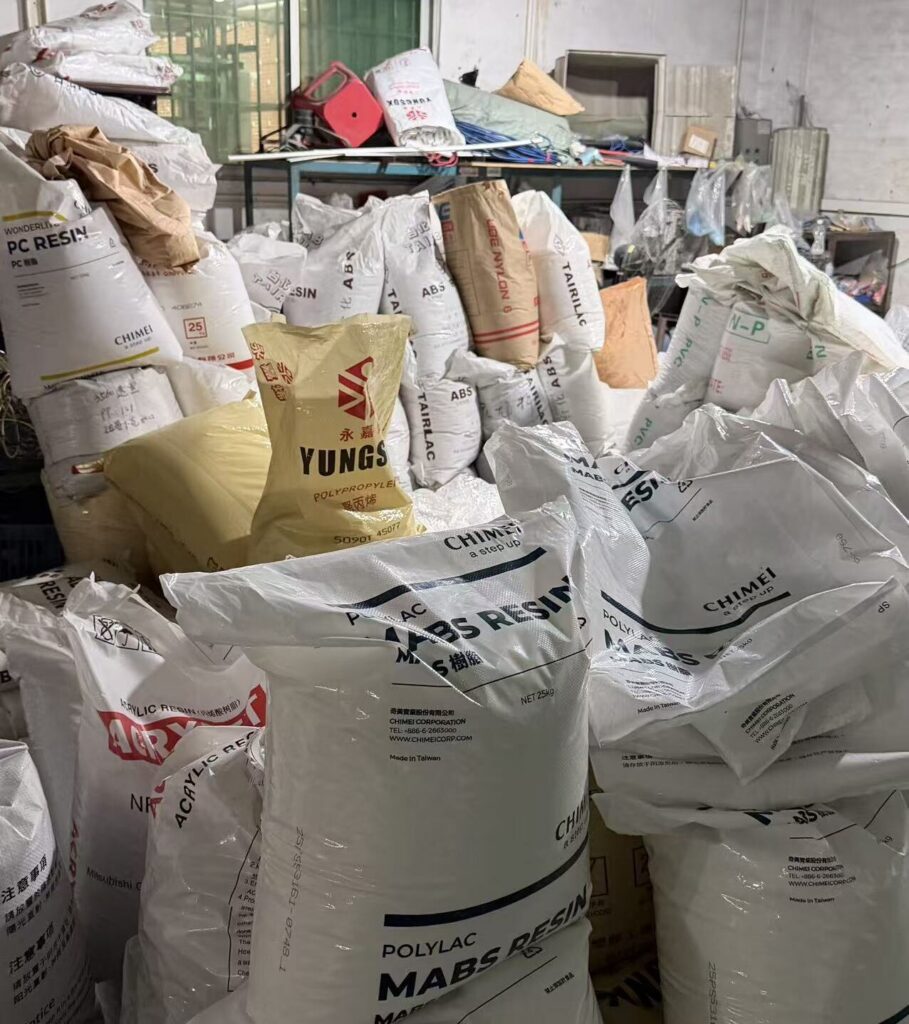
The acrylic substrate itself is only one variable in the finished product. For US buyers evaluating supplier samples, the more useful material question is: which combination of board, printing, finish, and hardware matches the intended retail positioning?
Standard clear acrylic with UV printing is the workhorse configuration. A 3mm–5mm cast PMMA board is laser-cut to shape, printed with full-color CMYK artwork, and finished with a protective film. It supports photographic imagery, gradients, and fine linework that would be difficult or impossible to reproduce in enamel without multiple color fills and a custom die.-29
Double-sided acrylic encapsulates the printed film between two acrylic layers, protecting the ink and allowing the design to read from both faces. This is a common upgrade for artist charms and gift-shop items where the reverse side will be visible in use.-47
Epoxy dome coating adds a raised, rounded gloss surface. It increases perceived tactile quality, deepens color saturation, and adds a layer of scratch resistance. For brands positioning acrylic alongside enamel or metal accessories, the dome finish narrows the perceived material gap.-47
Special-effect acrylics — glitter, holographic, iridescent/rainbow — are embedded in or applied to the board rather than printed as flat color. These finishes photograph well on social platforms and align with the visual language of TikTok and Pinterest charm styling. They are most effective when the effect supports the design rather than covering it.
Hardware is often the most under-specified element in a custom acrylic order. A standard split ring is functional but visually neutral. Swivel clasps, lobster claws, D-rings, and ball chains change the use case: a bag charm may require a clasp that can be moved between bags, while a keychain may prioritize a secure ring. Hardware should be specified at the quoting stage because it affects attachment method, durability expectations, and perceived value.-29
Click for more:ZaoWu Keychain Materials
Click for more:ZaoWu Multi-Material Keychains
8.3 From Artwork to Prototype: The Manufacturing Workflow
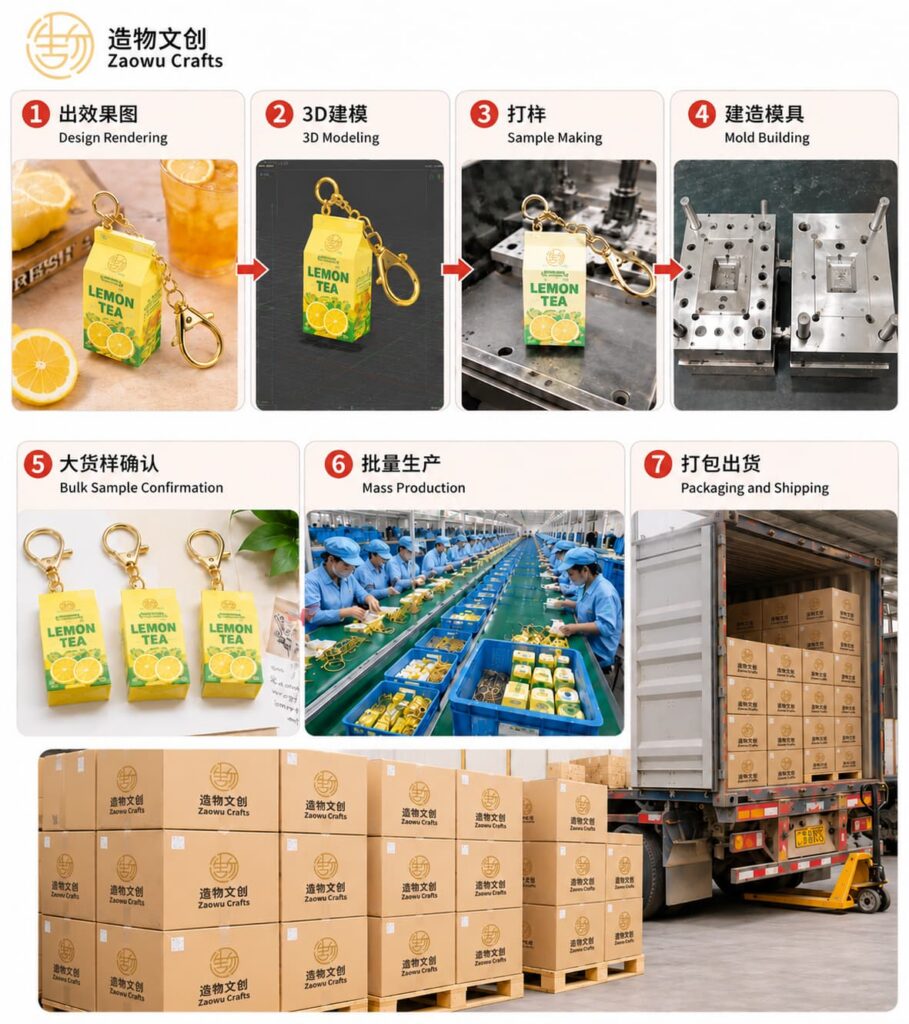
For first-time buyers, the acrylic production process is often simpler and faster than expected — but only if the artwork and specifications are production-ready. Acrylic keychains do not require a metal die or mold. The critical path is: vector or high-resolution artwork → cut file for the custom shape → UV print file → material and finish selection → prototype/sample approval → production.
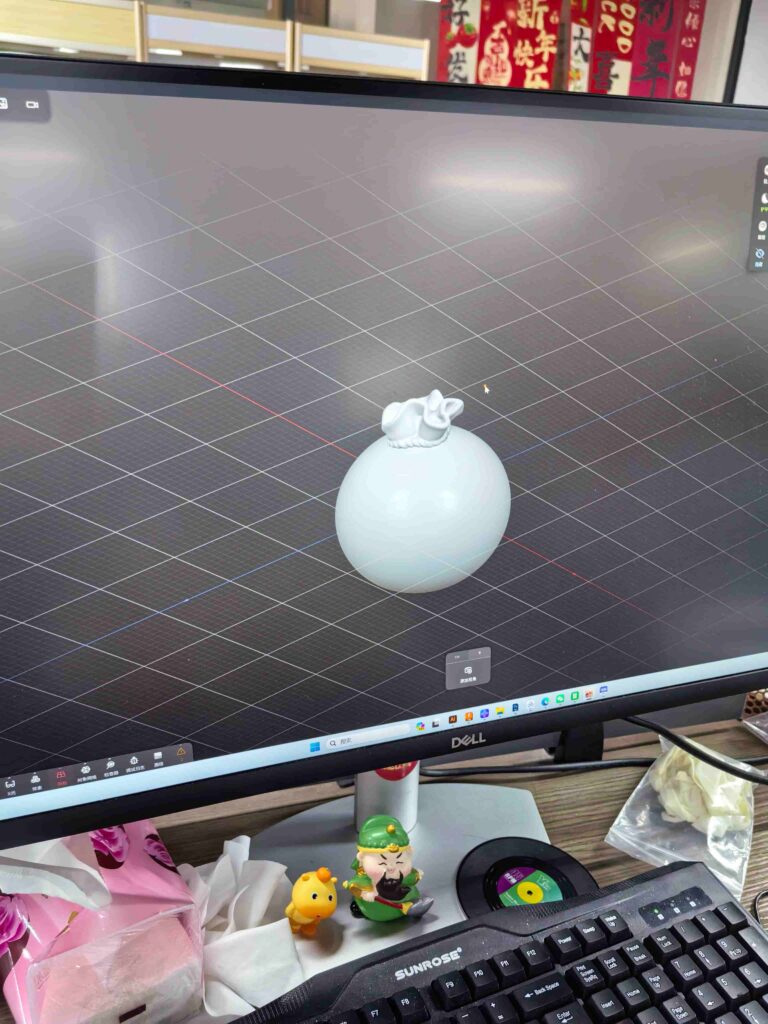
A well-run factory workflow makes the approval stage visible. The buyer should expect to see a digital proof or 3D render before physical sampling, followed by a physical prototype that confirms shape, print color, board thickness, hardware placement, and finish. For double-sided or encapsulated designs, the prototype should confirm registration between the front and back artwork. For epoxy-domed products, the sample should show the dome edge and surface quality. Production QC for acrylic typically includes board thickness verification, laser-cut edge quality (smooth, flame-polished edges rather than sharp burrs), print adhesion, and hardware attachment strength.-47
The practical sourcing lesson is that acrylic’s low tooling barrier does not eliminate the need for a disciplined sample approval. It shifts the risk from mold cost to specification clarity. A vague hardware request or an uncalibrated Pantone reference can create more rework than a well-documented low-MOQ acrylic order.
Click for more:ZaoWu Custom Souvenir Keychains
Have artwork ready? → Send Your Design | Need a production quote? → Get a Quote
9. How Much Do Custom Acrylic Keychains Cost?
There is no universal price for a custom acrylic keychain. The total cost is a function of size, board thickness, order quantity, shape complexity, printing method, special-effect finish, hardware, packaging, and shipping. Quoting one line item — “acrylic keychain, 3mm, printed” — without the remaining variables produces a number that is not comparable across suppliers.
9.1 What Affects Acrylic Keychain Cost?
The core manufacturing cost of an acrylic keychain is driven by material yield and production time. A larger shape consumes more board area; a more complex cut path consumes more laser time. Board thickness affects both material cost and durability: 3mm is the practical minimum for designs with narrow features, while 5mm–6mm adds weight and rigidity at higher material cost. Double-sided encapsulation increases material and labor compared with single-sided printing. Epoxy doming adds a coating step. Special-effect boards carry a material premium over standard clear or white acrylic. Hardware ranges from commodity split rings to stainless steel swivel clasps. Packaging — a printed backing card, individual polybag, barcode label — adds cost but also changes the product’s retail readiness.-29
9.2 Retail Price vs. Factory Cost
The Etsy and Amazon prices shown earlier are retail observations. They include seller margin, platform transaction fees, payment processing, packaging, fulfillment labor, and in many cases domestic shipping. A factory quotation for a custom acrylic keychain at 100–500 pieces is not comparable to a $10.65 Etsy median or an $8 Amazon listing. Published cost benchmarks for acrylic keychains commonly place per-unit manufacturing cost in the low single-digit dollar range at moderate volumes, with lower per-unit costs at higher quantities and zero tooling cost at 100-piece minimums for standard UV-printed acrylic. These benchmarks are directional and vary by specification; they are most useful for understanding the structure of cost, not for negotiating a specific quote.-29
9.3 Why MOQ Matters
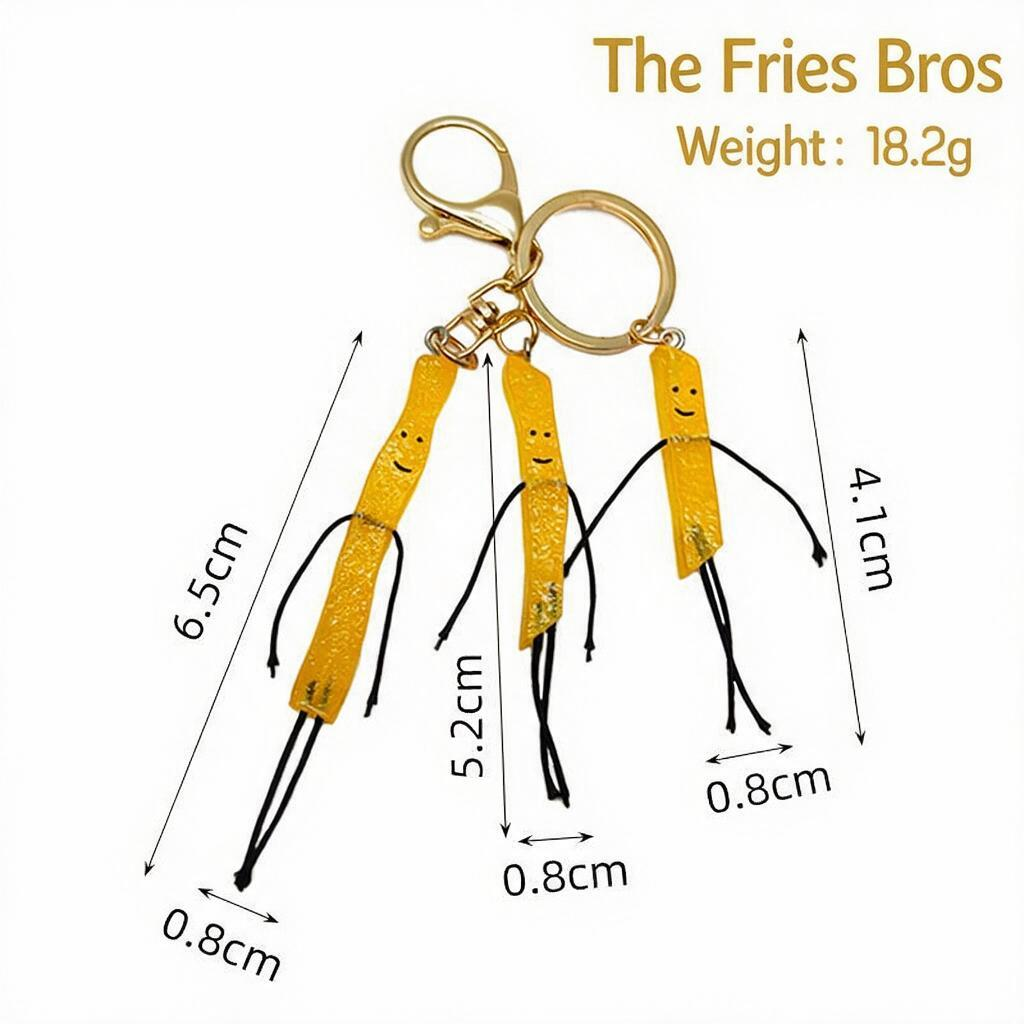
Acrylic’s no-mold production model makes low MOQ orders feasible — some suppliers accept orders from 50 pieces, and others offer sample or micro-batch options. But MOQ is not only a supplier threshold; it is an inventory-risk decision. For a US gift shop testing a new local souvenir design, a 50–100 piece run limits capital exposure and allows sell-through data to inform a reorder. For an artist preparing a convention drop, a 100–250 piece run balances per-unit cost against the risk of unsold stock. For a brand planning a multi-design series, consolidating several designs into a single production run can improve per-unit pricing while still avoiding the tooling costs associated with metal or enamel.-29-47
The practical framework is: match order quantity to the confidence level of the design, not to the theoretical lowest per-unit price. A slightly higher per-unit cost on a small test batch is often cheaper than a large order that misses the market.
Click for more:Low MOQ Keychains
Request a quantity-based quote → [Get a Quote]
10. What Should US Buyers Ask an Acrylic Keychain Manufacturer?
The trend data and marketplace observations are only useful if the supplier can execute against them. The following checklist is designed for US buyers evaluating an acrylic keychain manufacturer, particularly when the order involves custom shapes, character artwork, personalization, or multi-design runs.
Artwork and proofing. Can the supplier accept vector files and high-resolution artwork, and do they provide a digital proof or 3D render before sampling? For double-sided or encapsulated designs, how is front-to-back registration confirmed?
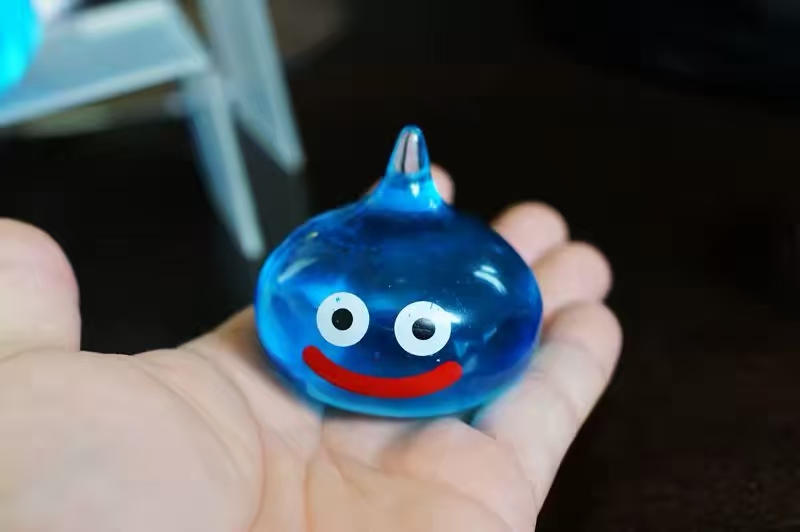
Material and finish specification. Is the acrylic board cast PMMA, and what thickness options are available? Can the supplier provide samples of clear, white, double-sided, epoxy-domed, glitter, and holographic finishes? Is the protective film applied to one or both sides?
Hardware compatibility. What attachment options are available (split ring, swivel clasp, lobster claw, ball chain, D-ring), and are they sourced in stainless steel or plated metal? Can hardware be specified per design within a single order?
Sample and production timeline. What is the standard prototype turnaround, and what is the production lead time at the target quantity? Acrylic production is typically faster than enamel because it eliminates mold-making, but lead times still vary by finishing and hardware complexity.-29
Quality control. How are laser-cut edges finished? Are they flame-polished or mechanically smoothed to remove sharp burrs? How is print adhesion tested? What is the defect policy for print misregistration, edge chipping, or hardware failure?
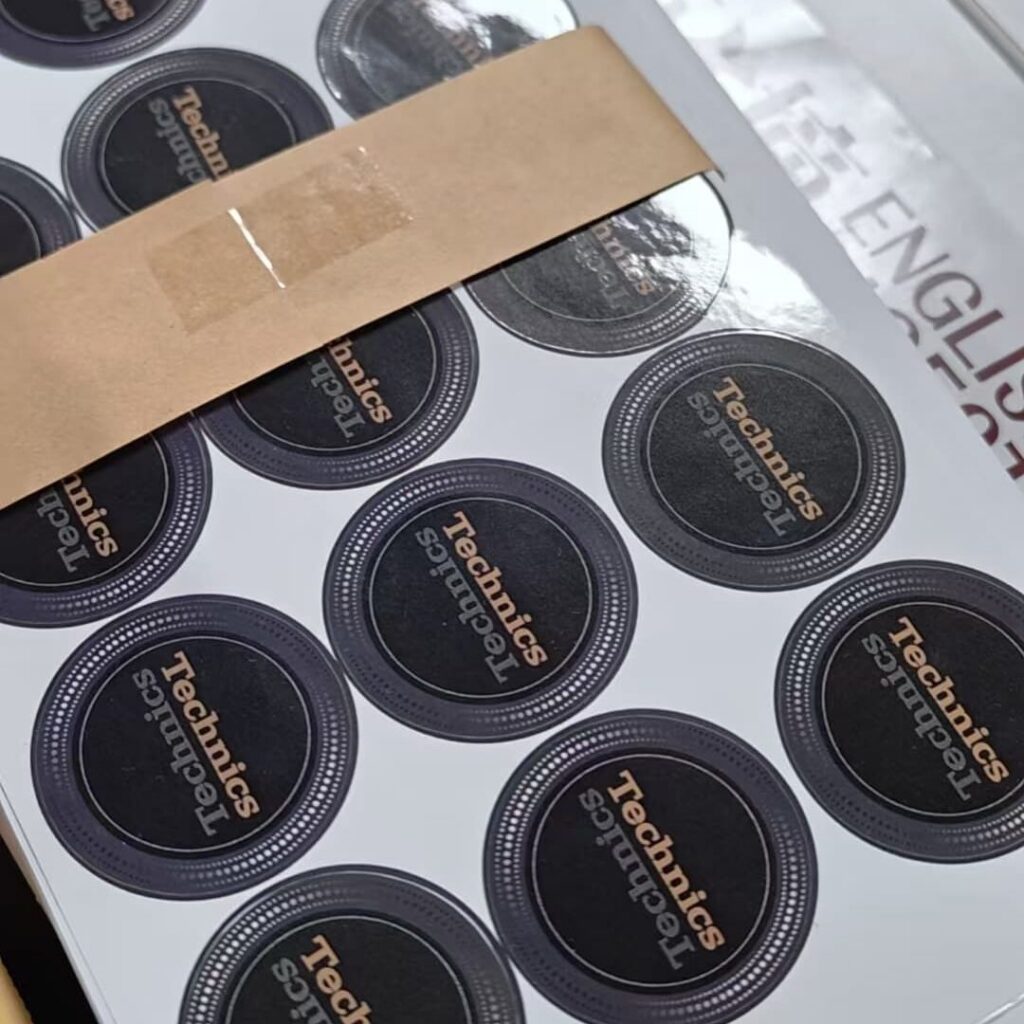
Packaging and retail readiness. Can the supplier apply backing cards, individual polybags, barcode labels, or Amazon FBA prep requirements? For gift-shop and museum buyers, can packaging be customized to match a retail program?
Order flexibility. What is the MOQ per design, and can multiple designs be combined in one production run? How does pricing scale across 50, 100, 250, 500, and 1,000 pieces?
Compliance and documentation. For US import, can the supplier provide material declarations or relevant test reports if required by the buyer’s compliance process?
Click for more:ZaoWu Custom Souvenir Keychains
Use this checklist with your next supplier conversation → Get a Quote
11. Why Choose a Manufacturer That Can Do More Than Acrylic?
The US market observations point toward a buyer need that is broader than a single material. Gift shops may want acrylic souvenirs alongside enamel pins and metal keychains. Artist brands may need acrylic charms, sticker sheets, and packaging in coordinated drops. Promotional companies may require acrylic, PVC, and metal options under one quality standard. A supplier that produces only acrylic can fulfill an acrylic order; a manufacturer that integrates design support, prototyping, multi-material production, and QC can support a program.
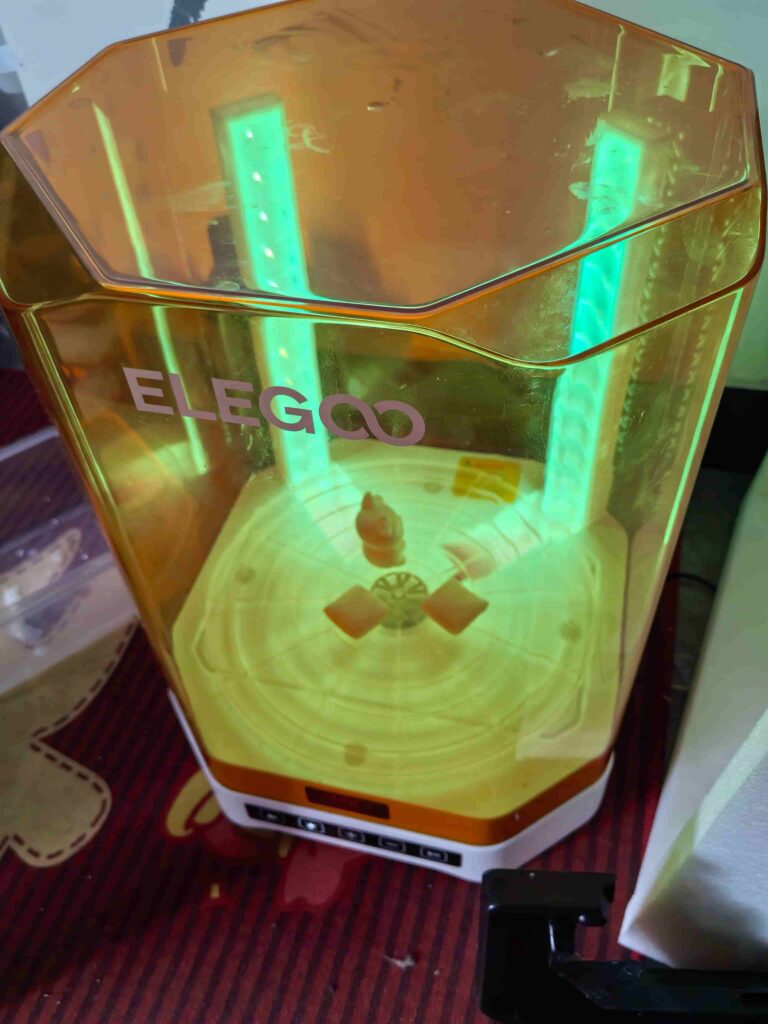
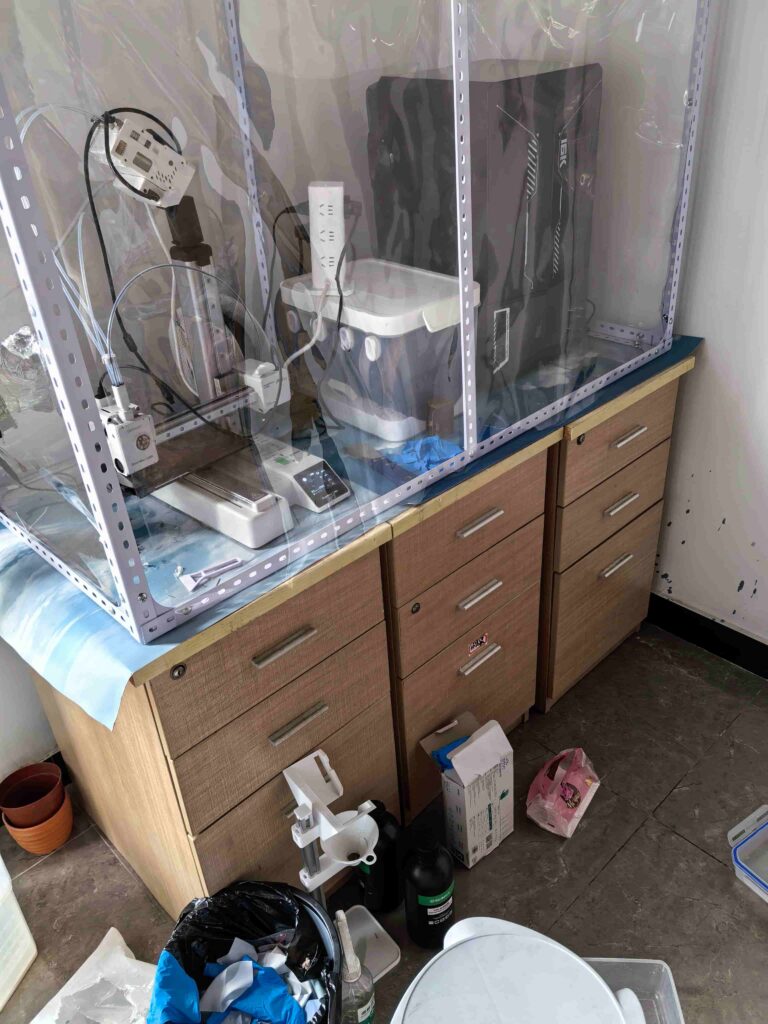
ZaoWu’s differentiation is best evaluated through evidence rather than description. The relevant questions are: Can the supplier show first-hand production images across design, prototyping, laser cutting, UV printing, hardware attachment, and final QC? Can they demonstrate experience across acrylic, metal, PVC, and multi-material assemblies? Can they provide a low-MOQ sampling path that allows a US buyer to validate a design before committing to a larger run? Can they handle packaging and retail-readiness requirements that sit outside the acrylic fabrication step?For buyers comparing suppliers, the practical test is not whether a factory claims “one-stop” capability. It is whether the factory can show a documented workflow from artwork to finished, retail-ready product — and whether that workflow includes the specific finish, hardware, and packaging variables relevant to the buyer’s channel.
Click for more:ZaoWu Multi-Material Keychains
Click for more:Low MOQ Keychains
Click for more:ZaoWu Custom Souvenir Keychains
Discuss a multi-design or multi-material program → Get a Quote
12. Conclusion: What the Acrylic Keychain Market Means for US Buyers
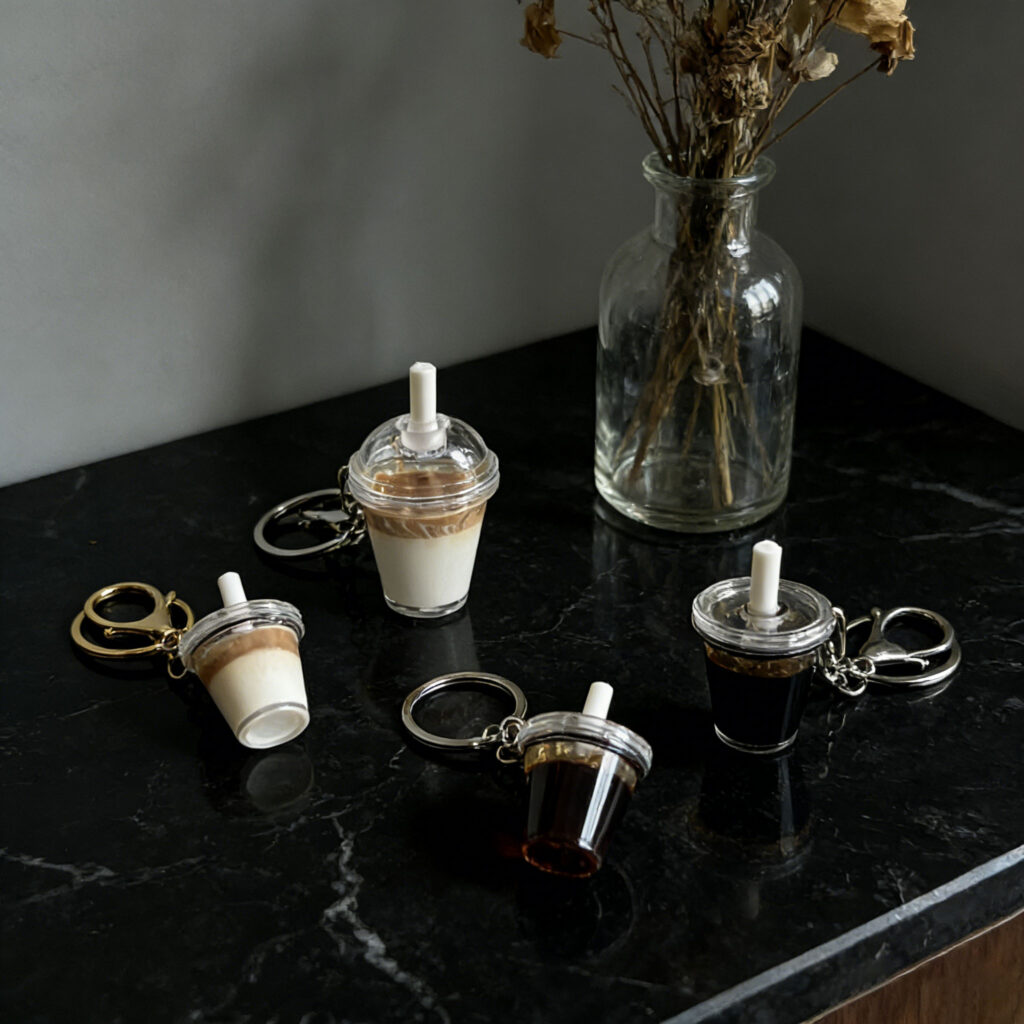
The US acrylic keychain market is not best understood as a simple growth story. It is a market where attention moves in bursts, where customization and charm-language have become mainstream buyer vocabulary, and where the underlying manufacturing economics — no mold fee, fast turnaround, full-color printing, low MOQ feasibility — make acrylic a structurally accessible material for testing and scaling design-led products.-29-47
For US gift shops, souvenir retailers, artists, brands, and promotional buyers, the actionable priorities are:
Treat search and social signals as directional, not definitive. Google Trends shows relative interest; Etsy and Amazon show retail positioning; TikTok and Pinterest show styling behavior. None of these is a substitute for a supplier’s production data or a buyer’s own sell-through testing.
Design for the channel, not just the product. A museum souvenir, an artist charm, and a promotional keychain may share a material but require different artwork, hardware, and packaging.
Use low-MOQ acrylic runs as a testing mechanism. The absence of tooling cost makes small batches economically viable; the goal is to learn from sell-through before committing to larger inventory.
Evaluate suppliers on workflow evidence. A clear prototype-to-production process, visible QC, and multi-material capability are more useful than a low headline quotation that omits finish, hardware, or packaging variables.
Acrylic keychains remain relevant in the US market not because demand is uniformly rising, but because the material’s production model matches the way modern accessory demand behaves: fast, visual, personalization-driven, and willing to test many designs before committing to a few.
Click for more:ZaoWu Acrylic Keychains
Click for more:ZaoWu Custom Souvenir Keychains
Ready to source or sample custom acrylic keychains for the US market? → [Get a Quote] | [Send Your Design]